
A Comprehensive Guide to Common Blue Violet (Viola sororia)
Common Blue Violet (Viola sororia) is a herbaceous perennial that is found in the mid-western and eastern United States and a number of provinces in…
Common Blue Violet (Viola sororia) is a herbaceous perennial that is found in the mid-western and eastern United States and a number of provinces in…

The Viceroy butterfly looks a lot like the Monarch Butterfly. Similar to the Monarch it is also distasteful to predators. The Viceroy is found in most of North America, but may not be in California (Wikipedia). The Viceroy feeds on willows (Salix sp.) and members of the Populus genus including cottonwoods.

Sassafras (Sassafras albidum) is a deciduous tree found in mid-western and eastern United States and Ontario in Canada. This tree is a host plant to…

Tuliptree (Liriodendron tulipifera) is a deciduous tree found in midwestern and eastern United States and Ontario in Canada. This tree is a host plant to three species of butterfly and one species of moth. The large yellow flowers come out in the spring. Tuliptree tends to grow in floodplains and places where there is moist soil, but it can handle places that are occassionally dry. Being on the one of the tallest trees it can reach a height of 150 feet tall.

The Honey Locust Moth is found from the mid-western to eastern United States and generally anywhere there is honey locust (Gleditsia triacanthos) or Kentucky coffeetree (Gymnocladus dioicus), which are its hosts. This moth has three broods from roughly April to September. The life of the adult moths is short and the adults do not eat.

Introduction Honey Locust (Gleditsia triacanthos) is a deciduous tree native to the mid-western and eastern United States, but has been planted extensively throughout. It is…
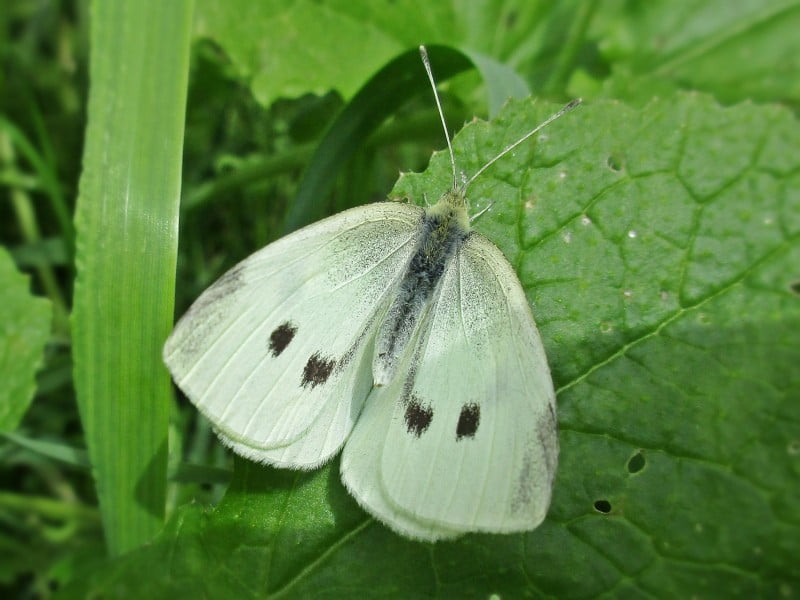
The Cabbage White butterfly is perhaps one of the most widespread butterflies in the world. Originally from Europe, Asia, and North Africa, it has been introduced in other areas through introduction. In a lot of gardens, it is one of the most seen butterflies. Host plants include members of the Mustard Family (Brassicaceae) and cultivated crops such as cabbage, cauliflower, and broccoli.
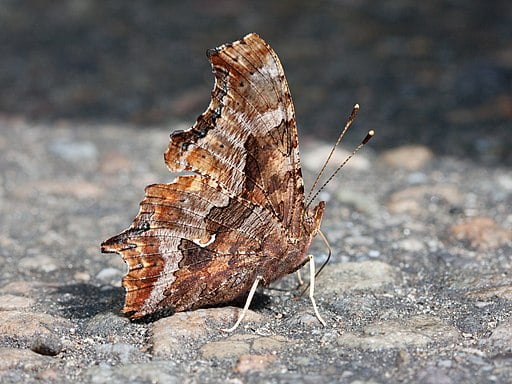
Introduction to the Eastern Comma Butterfly The Eastern Comma butterfly is located throughout eastern North America from North Dakota south to northeast Colorado and east,…
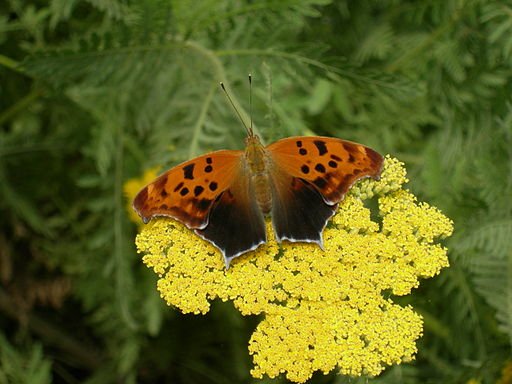
The Question Mark butterfly is located throughout eastern North America from North Dakota and Texas and east. Host plants include members of the Urticaceae (Nettle Family) and Ulmaceae (Elm Family) and hackberry (Celtis sp.). The name comes from a question mark shape on the wings.

Sweet Joe-Pye Weed (Eutrochium purpureum) is a herbaceous perennial that grows in open areas such as fields, meadows, gardens, woodland edges, and roadsides, where there is moist soil. The pink flowers bloom in the summer to early fall. It is not a host plant, but is a common nectar plant for many insects. This plant can be purchased in the McMullen House Bed & Breakfast Garden Shop.