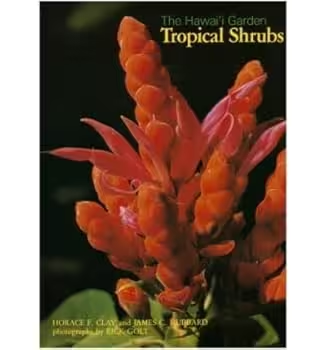
Horace F. Clay and James C. Hubbard’s “The Hawaiian Garden: Tropical Shrubs” is a commendable, if somewhat specialized, exploration of a vital component of the islands’ botanical tapestry. It serves as a valuable resource for both botanists and gardeners seeking a detailed understanding of the shrubs that contribute to the unique character of Hawaiian landscapes.
Clay and Hubbard’s strength lies in their combined expertise, blending botanical precision with horticultural insight. The book offers comprehensive descriptions of a wide array of tropical shrubs, encompassing both native Hawaiian species and those introduced and naturalized over time. The botanical descriptions are detailed, providing key morphological characteristics that are essential for accurate identification.
The inclusion of horticultural information is a significant asset. Clay and Hubbard provide practical guidance on cultivating these shrubs, addressing topics such as soil preferences, watering needs, and pruning techniques. This practical approach makes the book valuable for those seeking to incorporate these shrubs into their gardens.
However, the book’s focus on shrubs, while its primary aim, also presents certain limitations. It neglects the broader context of Hawaiian plant communities, offering limited information on the ecological roles of these shrubs or their interactions with other plant groups. This omission diminishes the book’s value as a tool for understanding the holistic dynamics of Hawaiian ecosystems.
Furthermore, the book’s organization can be somewhat cumbersome. The sheer volume of information presented can be overwhelming at times, particularly for those unfamiliar with botanical nomenclature. A more streamlined approach, with clearer headings and subheadings, would enhance the book’s usability.
The book’s visual presentation is adequate but not exceptional. While the inclusion of photographs is helpful, they often lack the vibrancy and contextual depth that would truly showcase the beauty and ecological significance of these shrubs. The absence of detailed illustrations further diminishes the book’s visual impact.
Clay and Hubbard’s writing style, while clear and informative, lacks the narrative flair that can transform a botanical study into a captivating read. It is functional and practical, but it lacks the evocative language that would truly inspire and engage readers.
In conclusion, “The Hawaiian Garden: Tropical Shrubs” is a valuable taxonomic and horticultural resource for those seeking a detailed understanding of the shrubs that define much of Hawaii’s unique flora. Its comprehensive descriptions and practical cultivation advice make it a significant contribution to the botanical literature. However, its limited ecological context and somewhat academic format may limit its appeal to a specialized audience. While it remains a valuable resource for botanists and serious gardeners, it is ultimately a specialized work intended for a specialized readership.


Reviews
There are no reviews yet.